How to Choose Binoculars: What the Numbers Actually Mean
8x42? Exit pupil? Field of view? This plain-English guide explains every binocular spec that matters — so you buy the right pair the first time.
By PeekBuys Editorial · May 15, 2026 · 5 min read
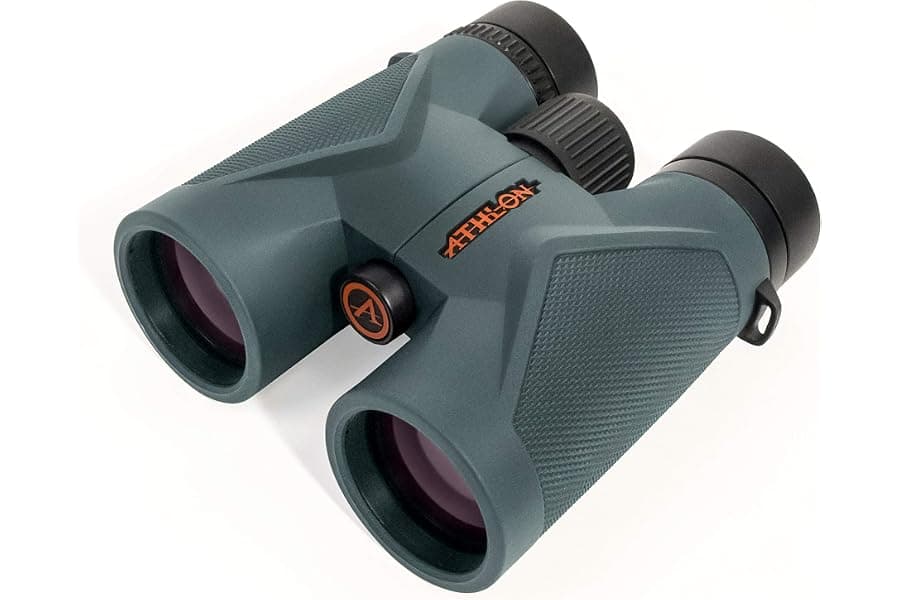
Binocular listings are a wall of numbers and jargon: "8x42," "exit pupil," "BAK-4 prism," "field of view." Most of it sounds technical, but learning to choose binoculars takes about five minutes once someone explains what the numbers actually mean. This guide does exactly that — no jargon left undefined.
By the end, you'll be able to read any binocular spec sheet and know instantly whether a pair fits how you'll use it.
The two numbers that define every binocular: "8x42"
Every pair of binoculars is described by two numbers, like 8x42 or 10x50. They tell you almost everything important.
- The first number is magnification. An 8x pair makes objects appear 8 times closer. Higher sounds better, but it isn't always — more magnification also amplifies every tremble in your hands and shrinks how much you can see at once.
- The second number is the objective lens diameter in millimeters. The 42 in "8x42" means each front lens is 42mm across. Bigger lenses gather more light, so the image is brighter — especially at dawn, dusk, and in shade. But bigger lenses also mean a heavier pair.
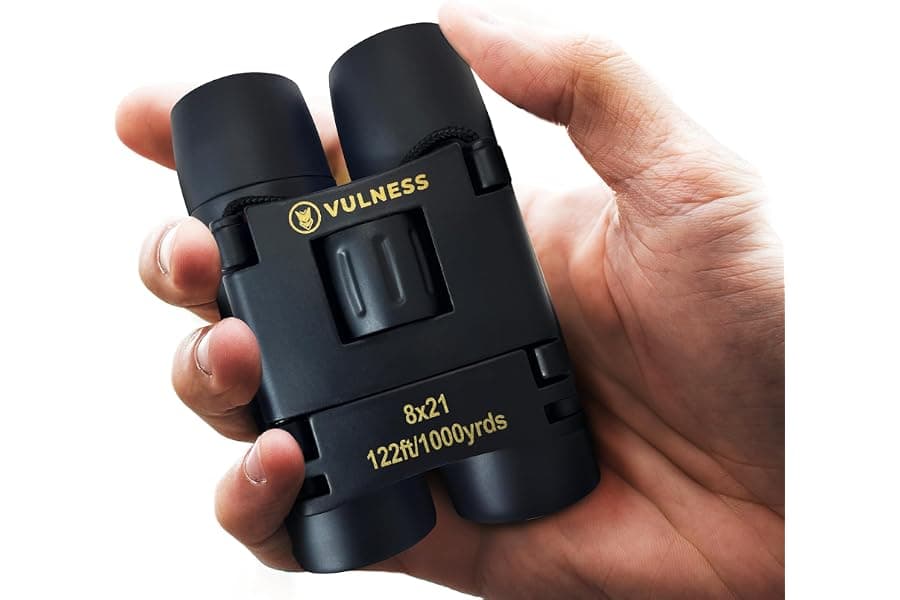
So "8x42" is a balanced all-rounder: enough magnification to see detail, a steady image, and lenses big enough for low light. "10x50" trades some steadiness and weight for more reach and brightness. "8x25" is a lightweight compact that gives up low-light performance for packability.
Exit pupil: the hidden brightness number
Here's a number that isn't printed on the box but is easy to calculate: exit pupil = objective diameter ÷ magnification.
For an 8x42, that's 42 ÷ 8 = 5.25mm. The exit pupil is the width of the beam of light leaving the eyepiece. A larger exit pupil means a brighter image and more forgiving eye placement — you won't have to hold the binoculars perfectly aligned.
A simple rule:
- 4mm or higher — comfortable for general daytime and low-light use.
- Around 2.5-3mm (typical of compacts) — fine in bright daylight, dim at dawn or dusk.
This is why an 8x42 outperforms a 10x42 in low light despite the same lens size: 42 ÷ 10 is only 4.2mm.
Field of view: how fast you find things
Field of view (FOV) is how wide an area you can see, usually given as feet at 1,000 yards. A wider field of view makes it dramatically easier to locate a moving bird, a player on a field, or a landmark on a hike.
Lower magnification generally gives a wider field of view — another reason 8x is so popular. If you'll track anything that moves, prioritize a wide FOV.
Prism type: roof vs. porro
Binoculars use prisms to flip the image right-side up. There are two designs:
- Roof prism — slim, straight barrels. Lighter, more compact, easier to weatherproof. The modern standard.
- Porro prism — the classic stepped, wide-bodied shape. Often gives slightly better depth perception for the money, but bulkier.
Also look for BAK-4 glass in the prism, which produces a rounder, brighter image edge than the cheaper BK-7.
Lens coatings and ED glass
Coatings reduce glare and boost light transmission. The terms, from worst to best:
- Coated — a single layer on some surfaces.
- Fully coated — every air-to-glass surface coated.
- Multi-coated — multiple layers on some surfaces.
- Fully multi-coated — multiple layers on every surface. Buy this if you can.
ED (extra-low dispersion) glass is a step up that reduces chromatic aberration — the colored fringing you see around high-contrast edges. It's worth paying for if image quality matters to you.
The specs people forget: eye relief, close focus, weight
Three more numbers decide whether you'll enjoy a pair day to day:
- Eye relief — how far your eye can sit from the eyepiece and still see the full image. If you wear glasses, look for 15mm or more.
- Close focus — the nearest distance the binoculars focus sharply. Under 8 feet is great for watching insects and nearby birds; 15+ feet is limiting.
- Weight — the best binoculars are the ones you actually carry. For long hikes or travel, a lighter compact often beats a heavier "better" pair.
Match the specs to how you'll use them
Put it all together:
- Bird watching — 8x42, fully multi-coated, close focus under 8 ft, wide FOV.
- Hiking and travel — a compact 8x25 or 8x32; prioritize weight and packability.
- Open water, fields, stargazing — 10x42 or higher for extra reach; brace your hands or use a tripod.
- Glasses wearers — 15mm+ eye relief, whatever else you choose.
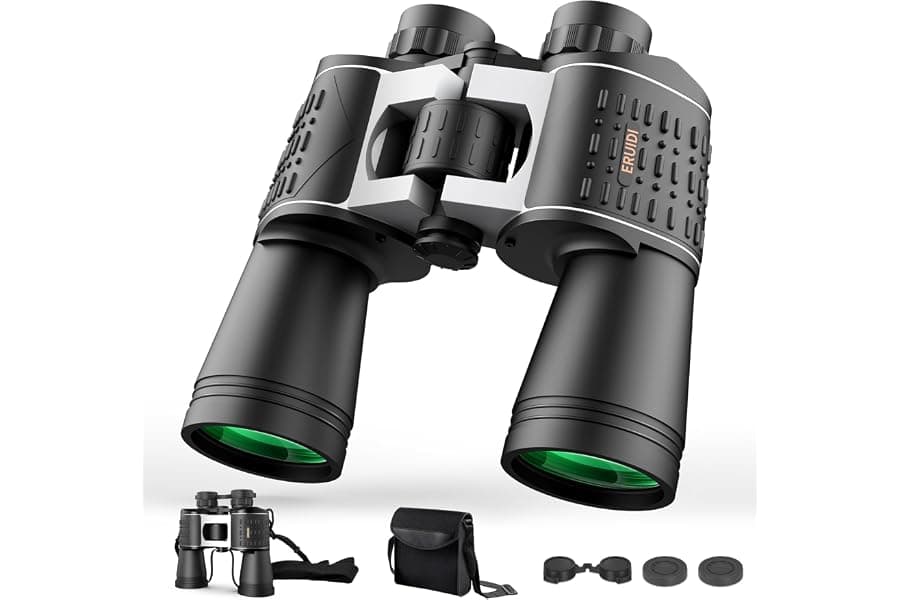
Now that you can read a spec sheet, see our hands-on picks in the best binoculars for bird watching guide. If the night sky is your target instead, our beginner's telescope guide applies the same buy-smart approach. Browse more in outdoor gear.
Frequently Asked Questions
Want more how-tos?
Get our latest product picks and guides delivered to your inbox.
You Might Also Like
Related Reads
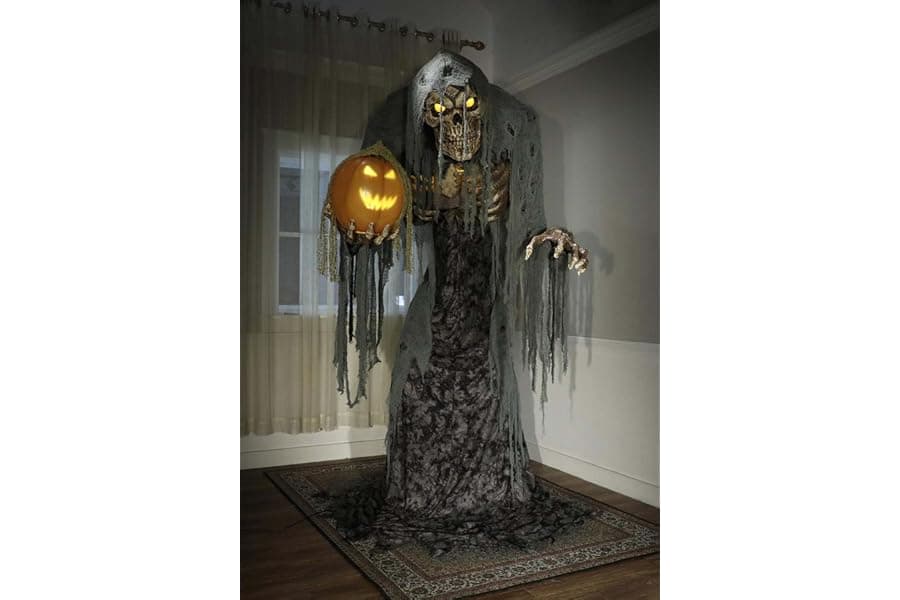
Best Animated Halloween Decorations & Animatronics (2026)
The best animated Halloween decorations for 2026, from cheap motion-activated props to $300+ animatronics, plus how to pick triggers, power and weatherproofing.
Oct 1, 2026 · 8 min read
Best Fog Machine for Halloween (2026): Picks, Fog Juice & Tips
How to pick a fog machine for Halloween: wattage vs CFM, heat-up time, timers, fog juice that won't wreck your machine, fog vs haze, and our picks by yard size.
Oct 1, 2026 · 9 min read
Best Halloween Window Projector & Outdoor Picks (2026)
How a Halloween window projector works, which hologram kits, outdoor projectors and laser lights are worth buying, and a step-by-step setup that actually looks scary.
Oct 1, 2026 · 9 min read