Best Telescopes for Beginners (2026): A No-Hype Stargazing Guide
The best beginner telescope is the one you'll actually set up. Here are six easy-to-use picks — plus the one spec that matters more than magnification.
By PeekBuys Editorial · May 13, 2026 · 4 min read
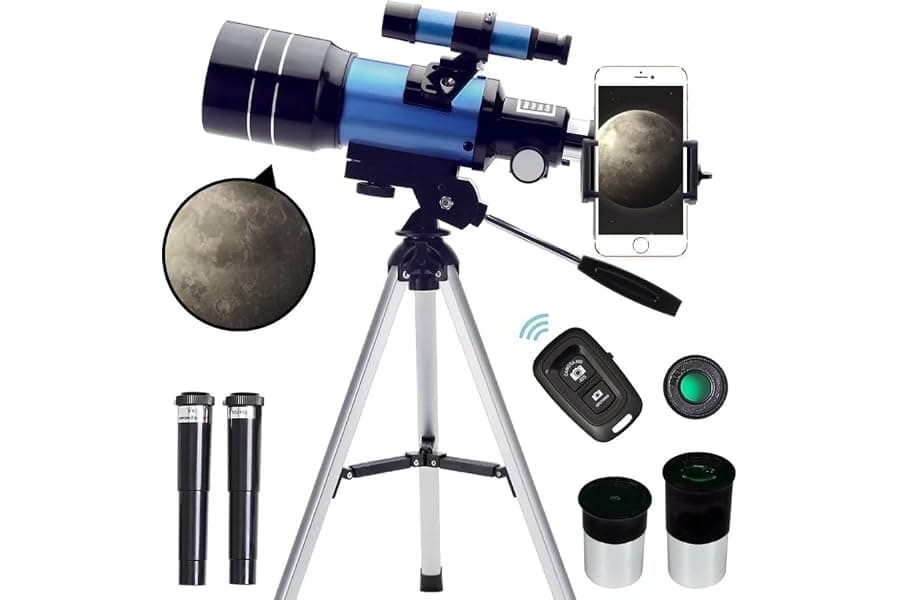
The best telescope for beginners isn't the one with "525x magnification!" splashed across the box. It's the one that's quick to set up, easy to point, and good enough to show you Saturn's rings on the first clear night — because the telescope you find frustrating is the telescope that ends up in a closet.
This guide cuts through the marketing. We'll explain the single spec that actually decides what you'll see, then give six beginner-friendly picks for different ages, budgets, and ambitions.
The one spec that matters: aperture
Ignore magnification claims. The number that determines how much a telescope can show you is aperture — the diameter of its main lens or mirror, given in millimeters.
Aperture does two things: it gathers light (so faint objects become visible) and it sets the real limit on useful detail. A 70mm telescope shows the Moon's craters, Jupiter's four big moons, and Saturn as a tiny ringed dot. A 90mm or larger telescope makes those same targets brighter and sharper and starts to reveal star clusters and brighter nebulae.
The "useful magnification" rule of thumb: about 2x the aperture in millimeters. A 70mm scope tops out near 140x useful power — anything beyond that is an empty, blurry magnification claim.
Refractor vs. reflector: which to start with
- Refractors use a lens at the front. They're sealed, low-maintenance, and give crisp views of the Moon and planets. Ideal for beginners.
- Reflectors use a mirror. You get more aperture per dollar — better for faint deep-sky objects — but they occasionally need their mirrors aligned.
For a first telescope focused on the Moon and planets, a refractor is the easier, more reliable choice.
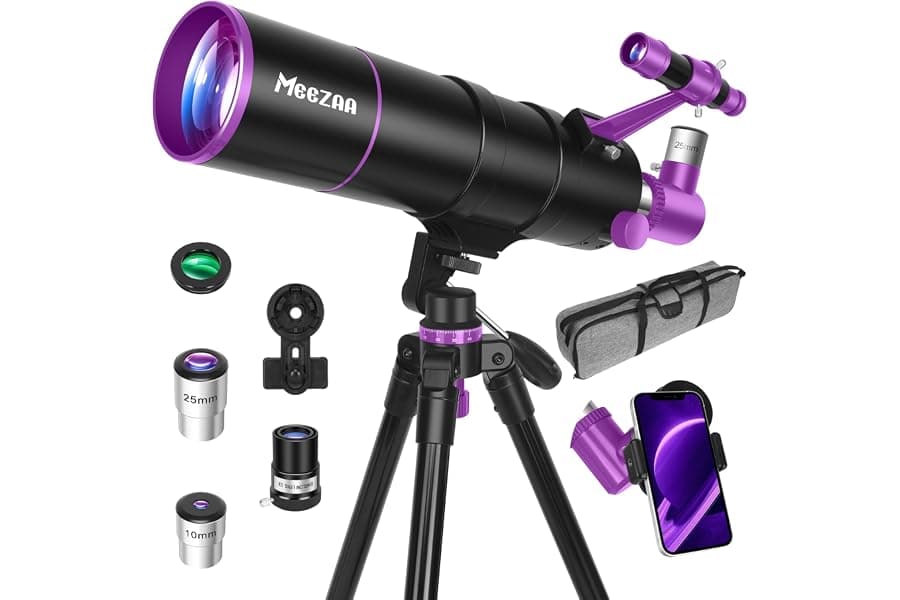
Best beginner telescope overall: a refractor for stargazing
A 70-90mm refractor on a simple mount is the sweet spot for most first-time astronomers: enough aperture for genuinely rewarding views, light enough to carry outside in one trip, and almost nothing to maintain.
Look for a steady tripod and a slow-motion control or smooth altazimuth mount — a shaky mount ruins more beginner experiences than weak optics do.
Best telescope for kids: a 70mm starter scope
For children, ease of use beats everything. A 70mm aperture scope with a straightforward mount lets a kid find the Moon themselves and see craters within minutes — the moment that turns curiosity into a hobby.
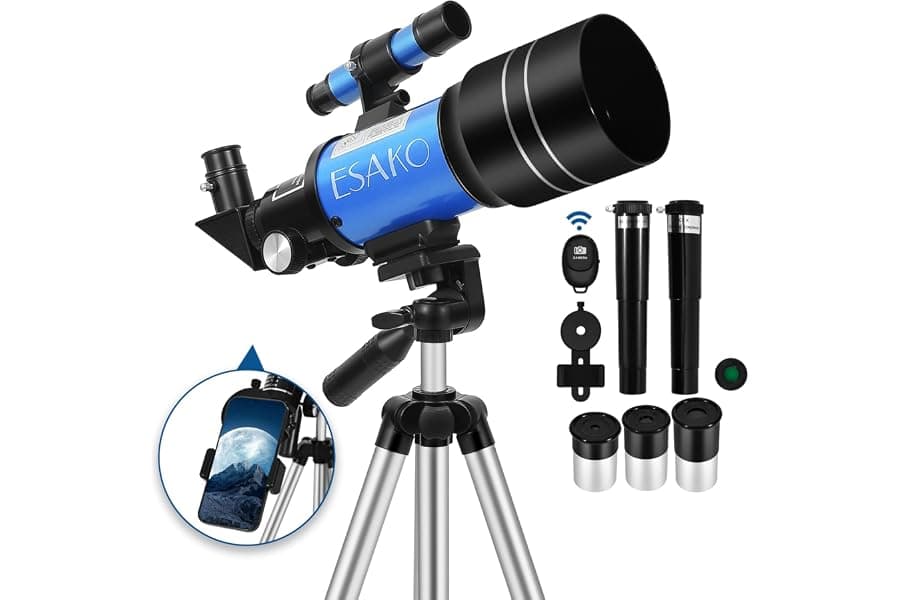
Best budget pick: a 70mm refractor
You can get a genuinely capable telescope without overspending. A 70mm refractor delivers sharp lunar and planetary views and is the most telescope most beginners need for their first year.
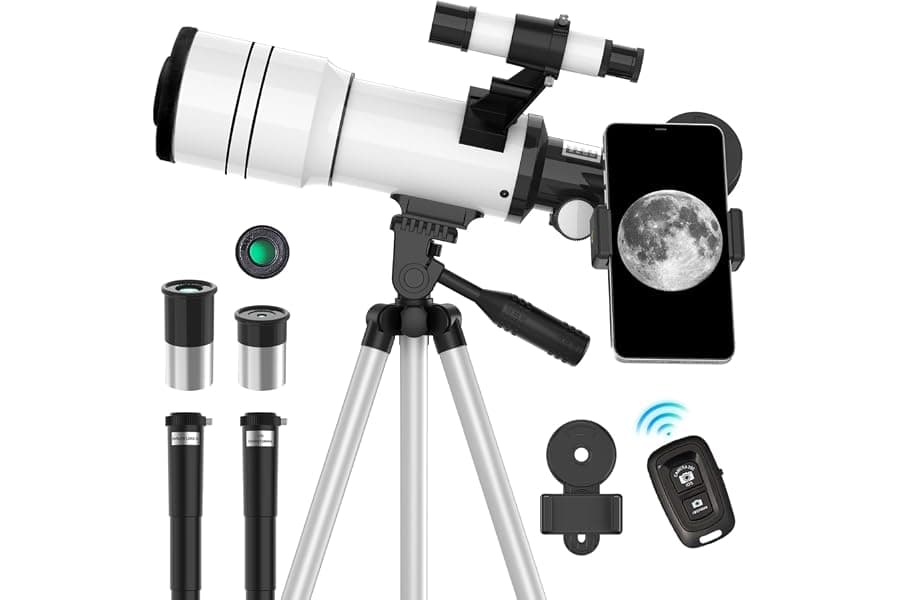
Best step-up: a 90mm telescope
Ready for a little more? A 90mm telescope noticeably brightens planets, tightens detail on the Moon, and begins to pull in star clusters and the brighter nebulae. It's the natural choice if you already know you're hooked.
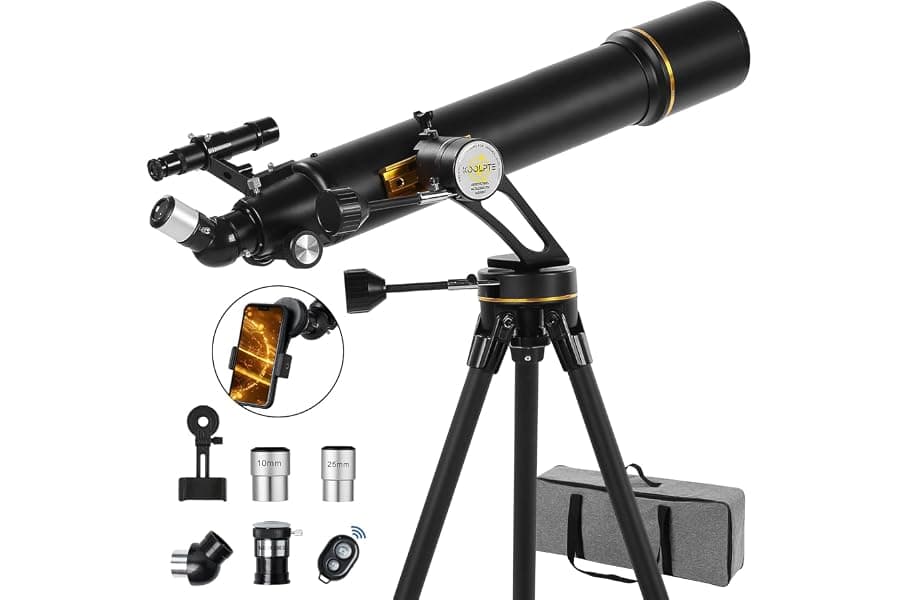
Best for deep-sky ambition: a high-powered telescope
If your goal is chasing fainter targets — galaxies, nebulae, dimmer clusters — prioritize the largest aperture you can comfortably store and carry. More light grasp is the only thing that brings faint objects within reach.
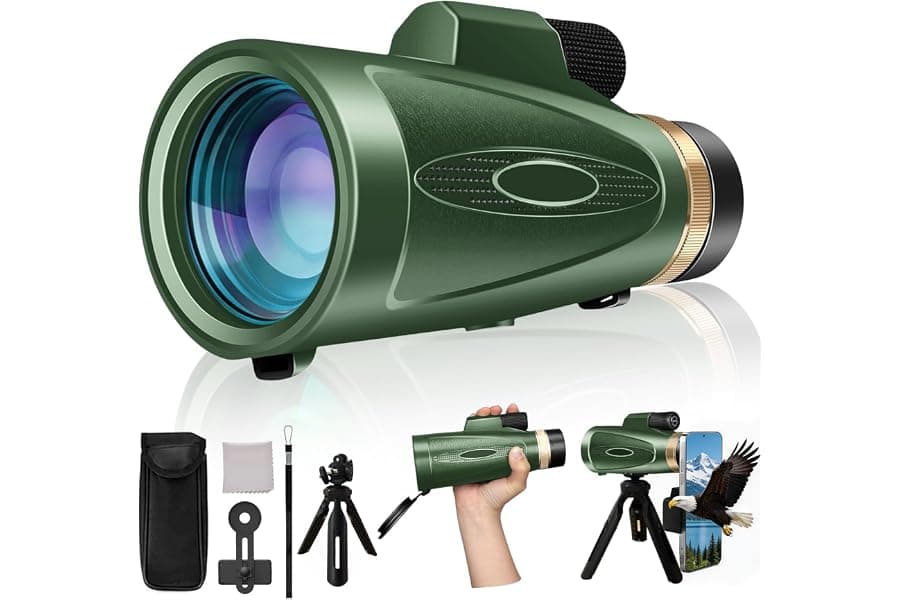
Best grab-and-go: a monocular telescope with tripod
Not every night calls for a full setup. A compact monocular telescope on a small tripod is perfect for casual lunar viewing, terrestrial use, and travel — and many include a phone adapter so you can photograph the Moon.
Beginner tips for your first night
- Start with the Moon. It's bright, easy to find, and stunning even in a small scope. A half-moon shows more crater shadow detail than a full moon.
- Let the scope cool down. Give it 20-30 minutes outside to match the air temperature for steady views.
- Use the lowest-power eyepiece first to find a target, then zoom in.
- Get away from direct lights — even a backyard improves a lot once your eyes adapt for 15 minutes.
Want an easier entry point to the night sky? A good pair of binoculars shows the Moon, star fields, and Jupiter's moons with zero setup — see our how to choose binoculars guide and our best binoculars for bird watching picks (they double as astronomy binoculars). More gear in outdoor and our outdoor guides.
Frequently Asked Questions
Want more buying guides?
Get our latest product picks and guides delivered to your inbox.
You Might Also Like
Related Reads
Best Animated Halloween Decorations & Animatronics (2026)
The best animated Halloween decorations for 2026, from cheap motion-activated props to $300+ animatronics, plus how to pick triggers, power and weatherproofing.
Oct 1, 2026 · 8 min read
Best Fog Machine for Halloween (2026): Picks, Fog Juice & Tips
How to pick a fog machine for Halloween: wattage vs CFM, heat-up time, timers, fog juice that won't wreck your machine, fog vs haze, and our picks by yard size.
Oct 1, 2026 · 9 min read
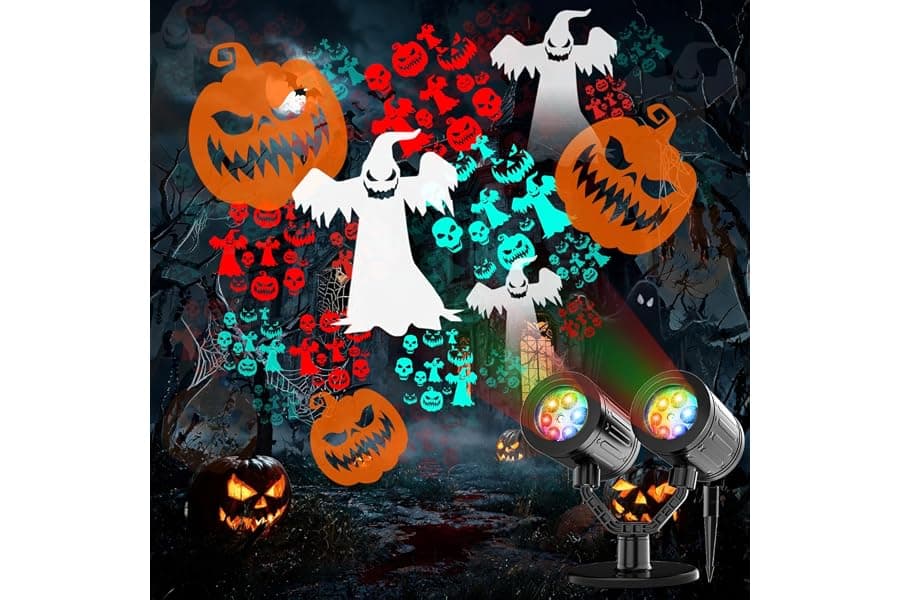
Best Halloween Window Projector & Outdoor Picks (2026)
How a Halloween window projector works, which hologram kits, outdoor projectors and laser lights are worth buying, and a step-by-step setup that actually looks scary.
Oct 1, 2026 · 9 min read