Best Binoculars for Bird Watching (2026): 6 Top Picks Tested by Use Case
The best binoculars for bird watching aren't the most powerful — they're the ones that find the bird fast. Here are six picks for every birder and budget.
By PeekBuys Editorial · May 21, 2026 · 4 min read
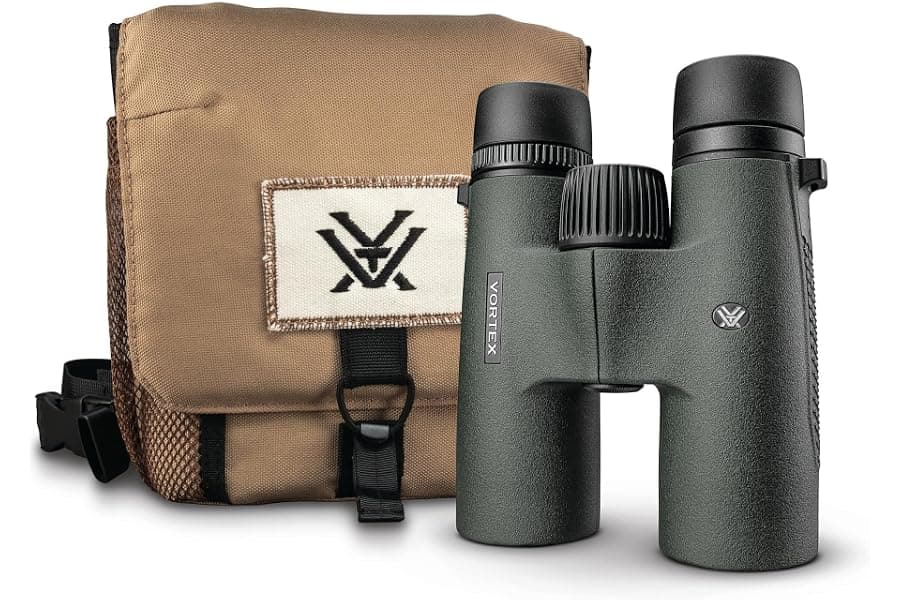
The best binoculars for bird watching aren't the ones with the biggest numbers on the box — they're the ones that get you on the bird before it flies off. A warbler doesn't wait while you fiddle with focus. After comparing dozens of birding binoculars, we found that the right pair comes down to three things: a wide, steady field of view, fast close focus, and a weight you'll actually carry all morning.
This guide skips the spec-sheet noise and gives you six picks organized by how you bird — backyard, trail, travel, or serious field work. If you want to understand what "8x42" actually means before you buy, read our companion guide on how to choose binoculars first.
Quick answer: which pair is right for you?
- Most birders should buy an 8x42. It's the birding standard for a reason — bright, steady, forgiving, and wide enough to track movement.
- Buy a 10x42 only if you mostly watch open water, shorelines, or raptors at distance and have steady hands.
- Buy a compact (8x25 or similar) if weight and packability matter more than low-light performance.
Now the picks.
Best overall: a professional 8x42 HD pair
For the widest range of birders, a professional-grade 8x42 with fully multi-coated lenses is the pair to beat. The 8x magnification keeps the image steady enough to handle one-handed, and the 42mm objective lenses pull in enough light for dawn and dusk — the two hours when birds are most active.
Waterproof, fog-proof construction matters more than beginners expect: dew, mist, and humidity are part of birding, and sealed optics simply last longer.
Best for sharpness: 8x42 with ED glass
If edge-to-edge sharpness and accurate color are your priority — think identifying a subtle wing bar on a confusing fall warbler — look for ED (extra-low dispersion) glass. It reduces the colored fringing that cheaper optics show around high-contrast edges, like a dark bird against bright sky.
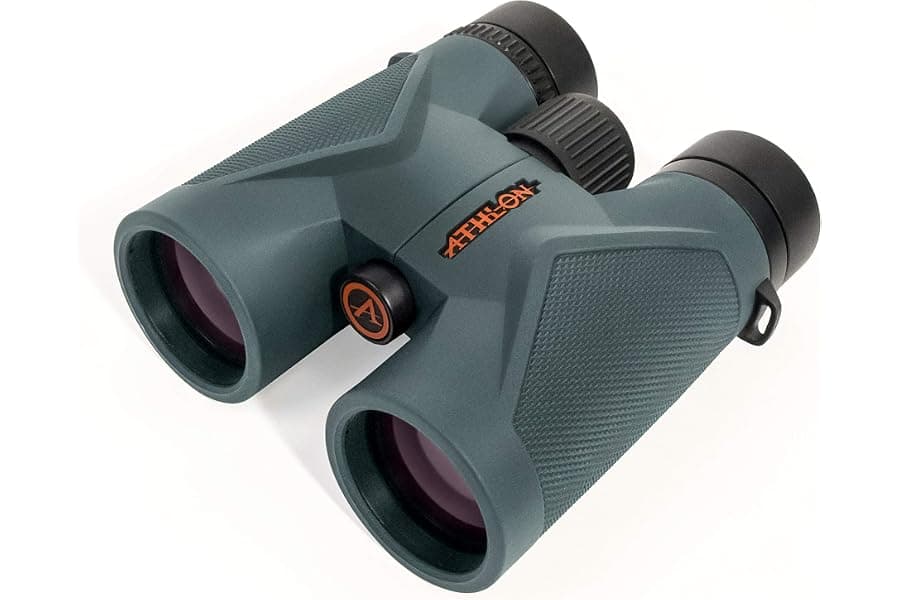
This pair doubles well for hunting, so it's a smart buy if you split time between birding and the field.
Best roof-prism design: compact body, premium feel
Roof-prism binoculars have the straight, slim barrels most modern birders prefer. They're easier to pack, more comfortable in smaller hands, and typically better sealed against weather than the older porro-prism design.
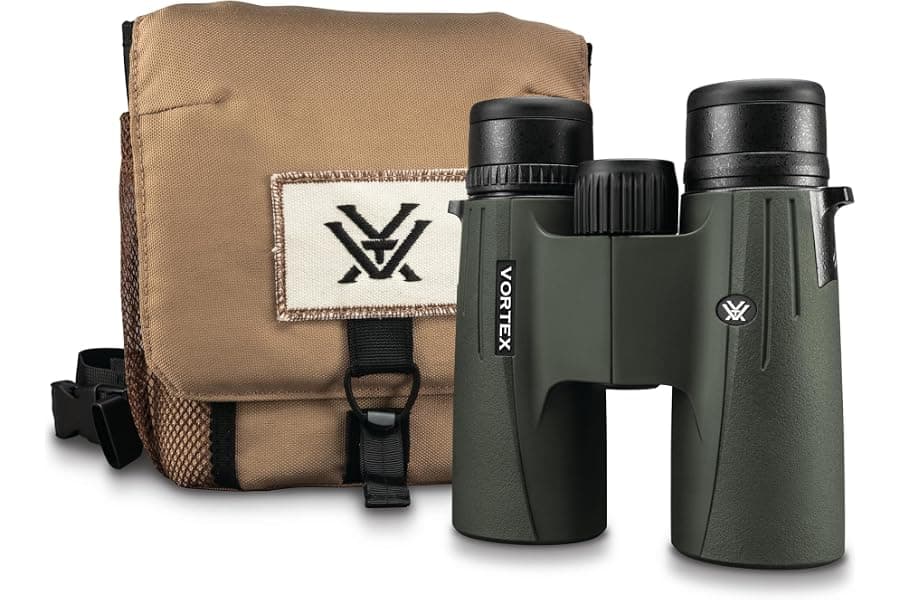
You pay a little more for good roof-prism optics, but the all-day comfort is worth it if you bird often.
Best for travel and hiking: compact and light
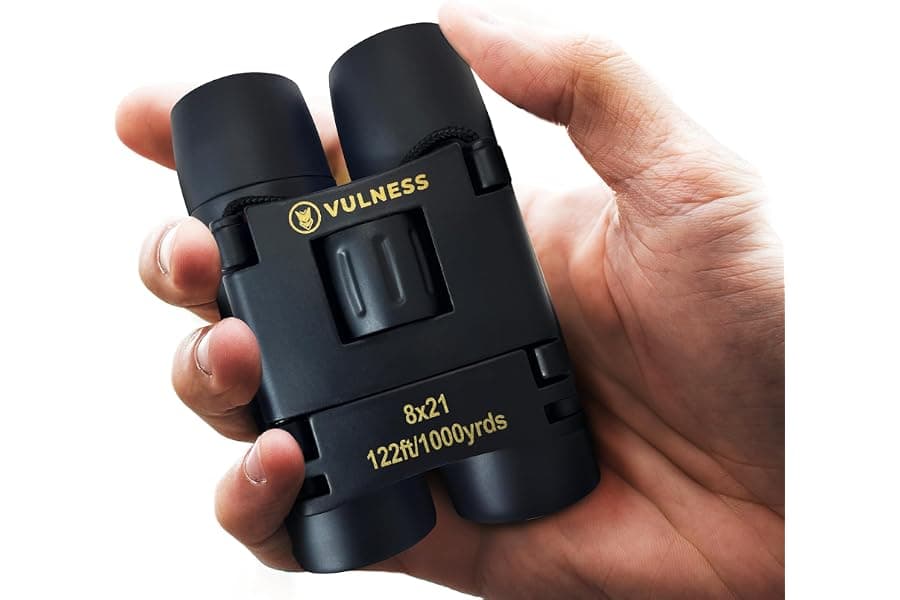
When every ounce in your pack counts — on a long hike, a birding trip abroad, or a cruise — a compact pair earns its place. You sacrifice some low-light brightness, but a good compact is one you'll actually bring along, and the best binoculars are the ones in your hand.
Best budget waterproof pick: 8x25 that survives the trail
You do not need to spend a lot to start birding well. A waterproof 8x25 with BAK-4 prisms and multi-coated lenses delivers a genuinely usable image, shrugs off rain, and slips into a jacket pocket.
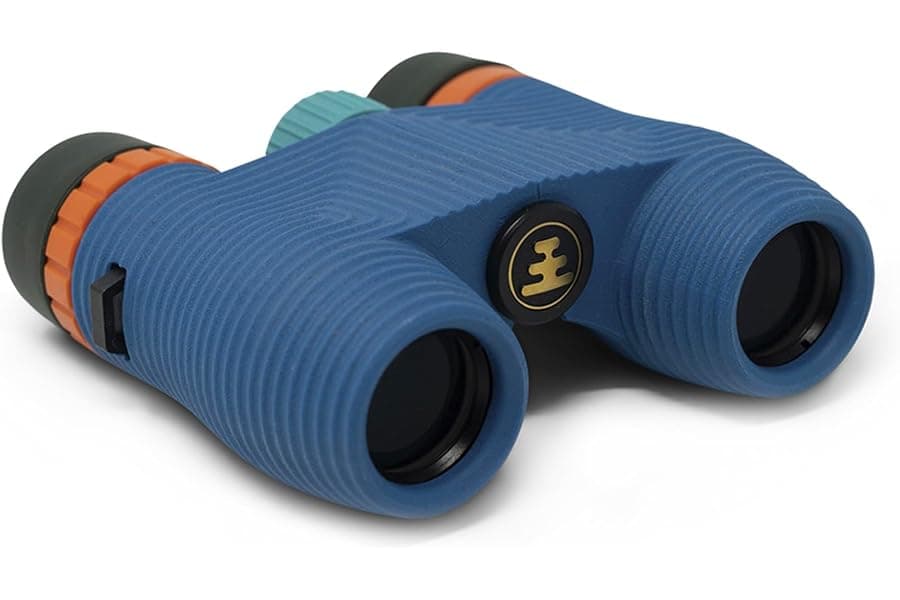
This is our recommendation for new birders, kids, or anyone who wants a capable backup pair.
Best for distance: a high-power 12x42
Most of the time, more magnification is not better — it amplifies hand shake and narrows your field of view. But if you spend your time scanning open water, mudflats, or distant raptor perches, a 12x42 gives you reach that an 8x can't.
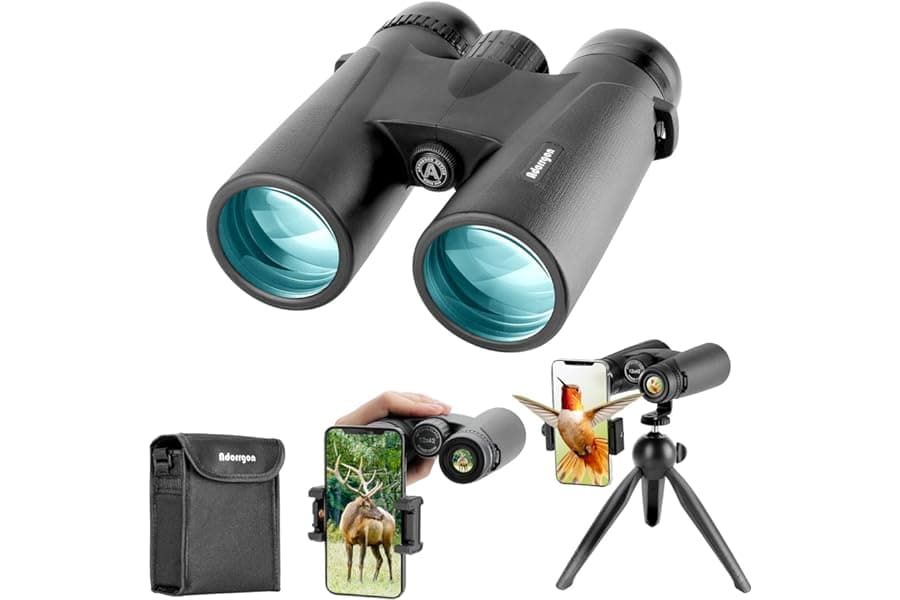
Use a strap tension or brace your elbows when glassing at 12x — or pair it with a tripod adapter for long sessions.
How to choose: the three specs that actually matter
You can ignore most of the marketing. For bird watching, focus on:
- Magnification and objective — 8x42 for almost everyone; 10x42 for open-country distance work.
- Close focus — under 8 feet lets you enjoy butterflies and warblers in nearby foliage. This single spec separates birding binoculars from generic ones.
- Field of view — a wider view (measured in feet at 1,000 yards) makes it dramatically faster to find a moving bird.
For a full plain-English breakdown of every number, see how to choose binoculars. Ready to look further afield? Our beginner's telescope guide covers the same buy-smart approach for stargazing.
Browse more gear in our outdoor category or read all our outdoor buying guides.
Frequently Asked Questions
Want more buying guides?
Get our latest product picks and guides delivered to your inbox.
You Might Also Like
Related Reads
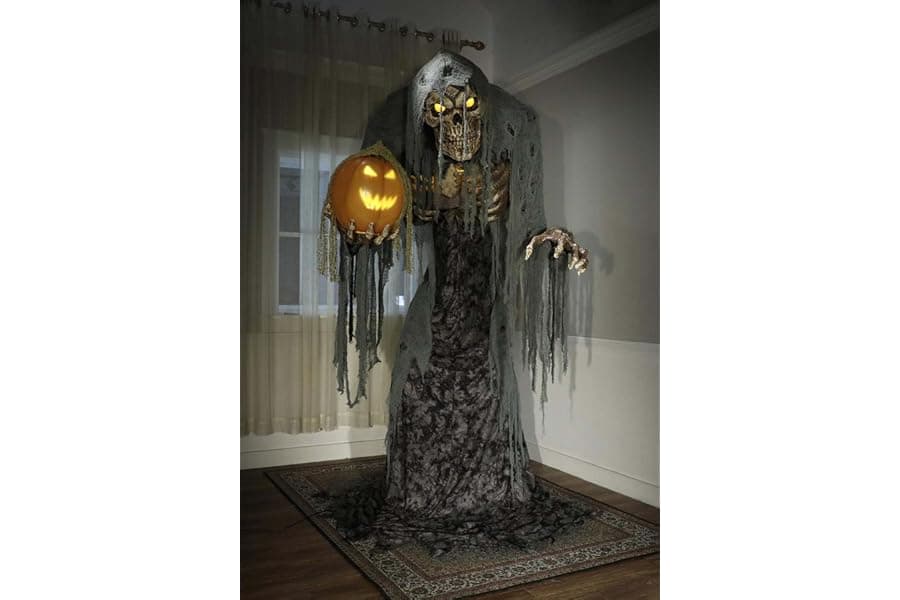
Best Animated Halloween Decorations & Animatronics (2026)
The best animated Halloween decorations for 2026, from cheap motion-activated props to $300+ animatronics, plus how to pick triggers, power and weatherproofing.
Oct 1, 2026 · 8 min read
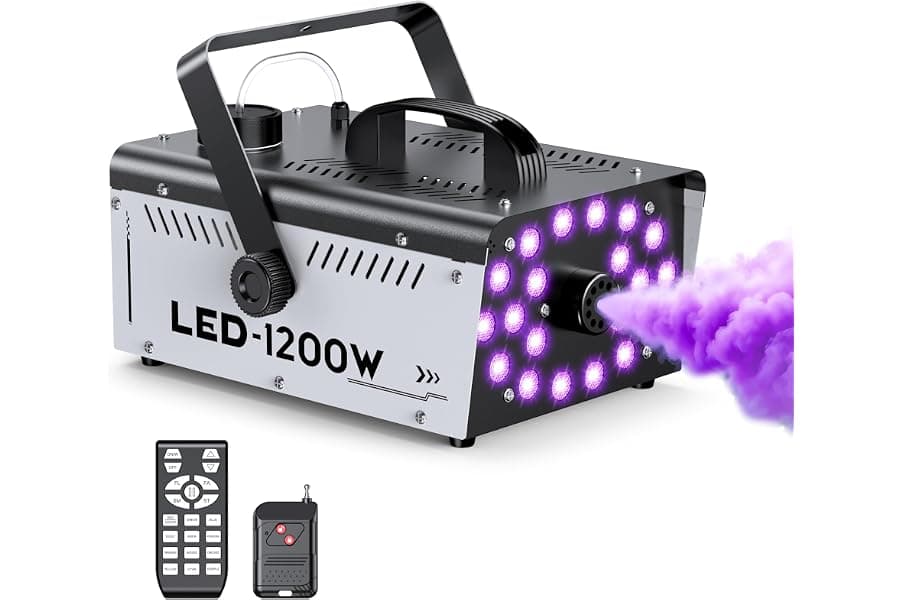
Best Fog Machine for Halloween (2026): Picks, Fog Juice & Tips
How to pick a fog machine for Halloween: wattage vs CFM, heat-up time, timers, fog juice that won't wreck your machine, fog vs haze, and our picks by yard size.
Oct 1, 2026 · 9 min read
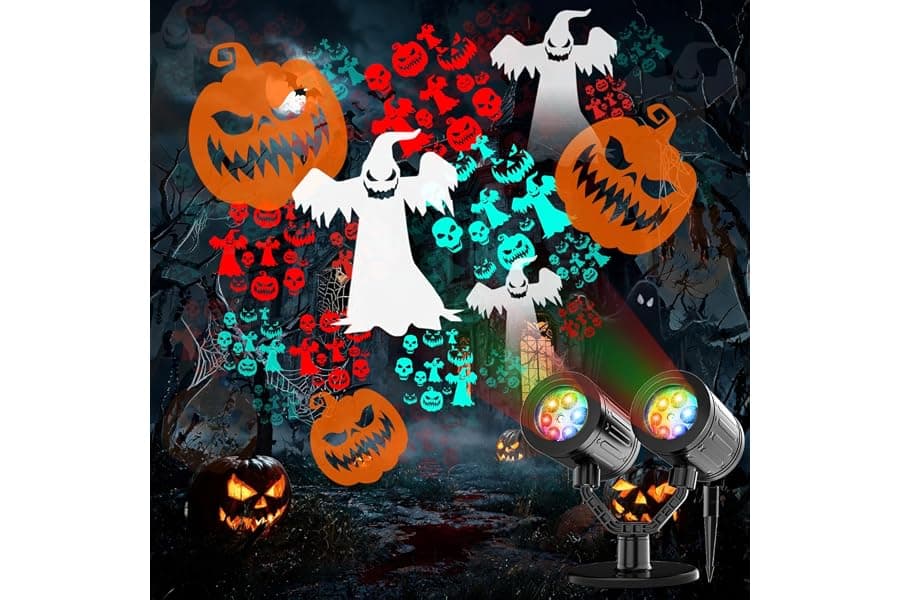
Best Halloween Window Projector & Outdoor Picks (2026)
How a Halloween window projector works, which hologram kits, outdoor projectors and laser lights are worth buying, and a step-by-step setup that actually looks scary.
Oct 1, 2026 · 9 min read