Best Weighted Vests for Walking & Strength Training (2026)
A weighted vest turns a walk into a workout. Here are six top picks for rucking, strength training, and running — plus how much weight to start with.
By PeekBuys Editorial · May 7, 2026 · 4 min read
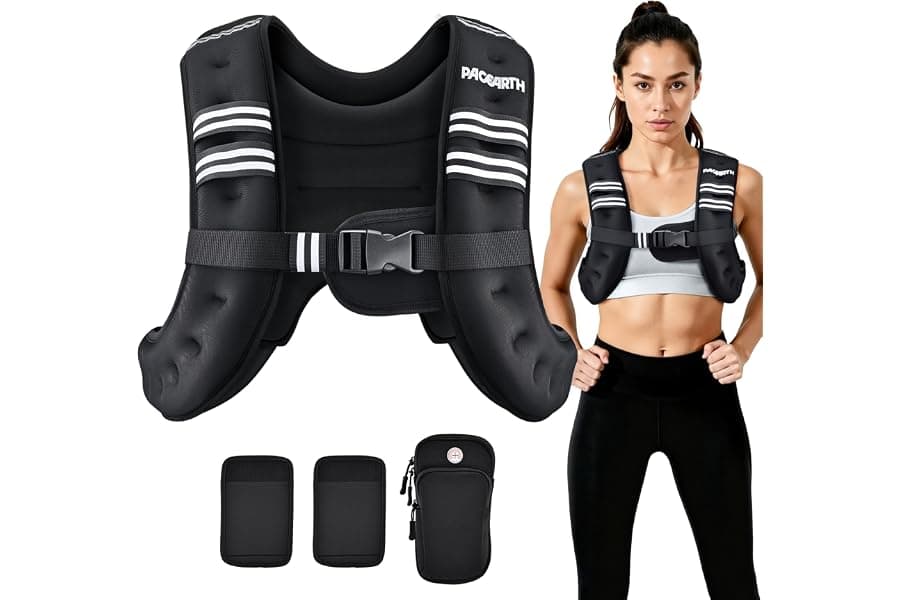
A weighted vest is one of the highest-value pieces of fitness gear you can own: it turns an ordinary walk into real exercise, makes bodyweight workouts harder without any extra equipment, and supports bone density as you age. It's why "rucking" — walking with weight — has gone mainstream.
This guide explains how to choose a vest and how much weight to start with, then gives six picks for different training styles.
What a weighted vest actually does
Adding load to your torso increases the effort of everything you do. The benefits are well established:
- More calories burned during the same walk or workout.
- Greater strength and endurance from progressive overload on bodyweight movements.
- Bone and joint loading, which supports bone density — especially valuable for walkers and older adults.
- No extra time required — you upgrade activities you already do.
Fixed vs. adjustable weight
This is the first decision:
- Adjustable vests let you add or remove weight (plates or filled pouches). Buy one of these if you're new — you can start light and progress, and one vest serves your whole training journey.
- Fixed-weight vests are a set load. They're often slimmer and great for running, where a locked-down, non-shifting fit matters most.
For most people, an adjustable vest is the smarter first purchase.
How much weight should you start with?
Start lighter than you think. A common guideline:
- Walking/rucking: begin around 5-10% of your body weight. For a 160 lb person, that's roughly 8-16 lbs.
- Strength training: start light enough to keep good form on every rep, then add weight gradually.
- Running: stay conservative — extra load increases joint impact. Many runners cap vest weight low.
Progress slowly. The goal is consistent training, not soreness.
Best weighted vest overall: walking and running
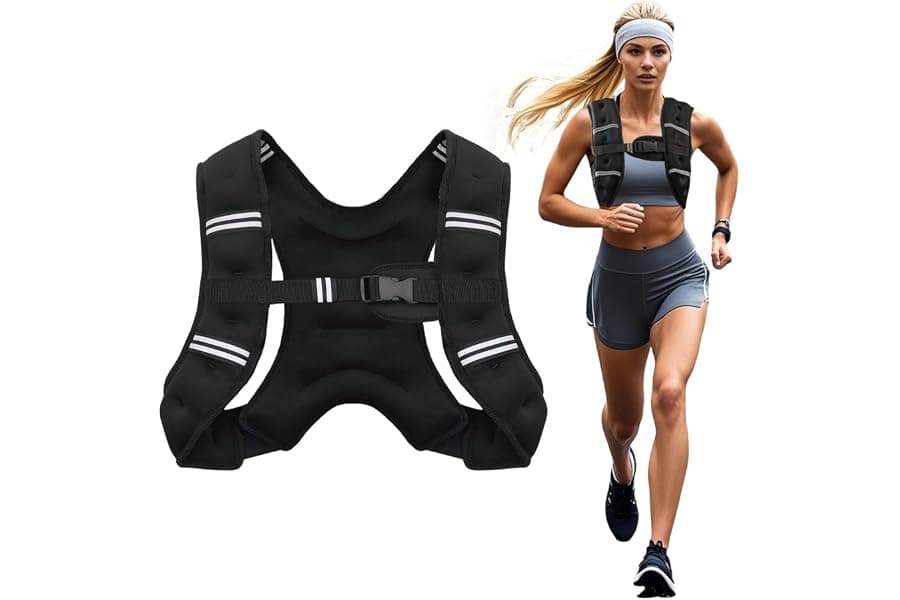
For the most popular use — adding intensity to walks and light runs — a vest built for walking and running balances a secure, low-bounce fit with enough weight to matter.
Best adjustable vest: 6-30 lbs
An adjustable vest with a wide 6-30 lb range is the most versatile choice. Start near the bottom, add weight as you adapt, and one vest covers beginner walks through demanding strength sessions.
Best for strength training
For weighted pull-ups, push-ups, squats, and dips, choose a vest built for strength training — a stable, close-fitting design that won't swing during explosive movements.
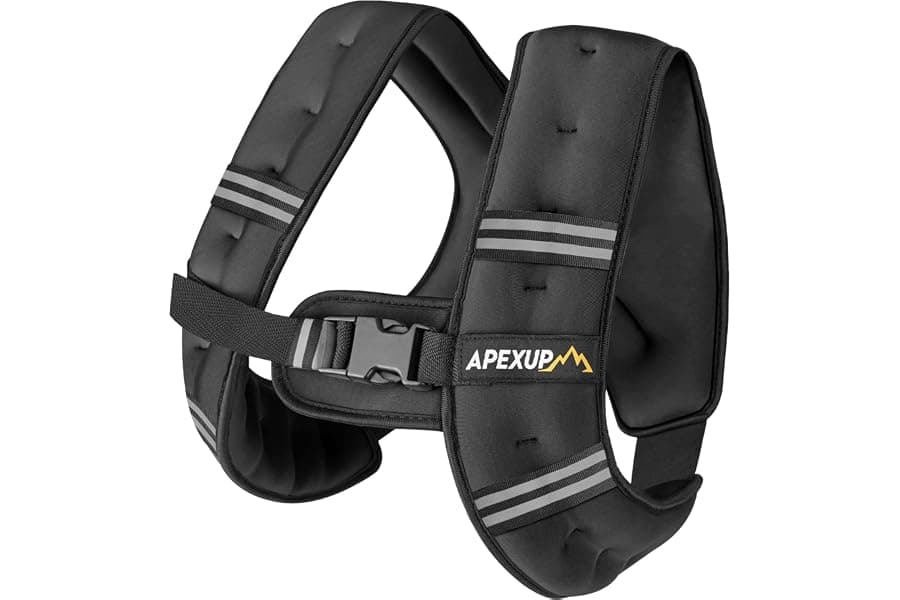
Best for running and training
Runners need a vest that locks down tight with minimal bounce. A model designed for running and training prioritizes a snug, low-profile fit so the load moves with you, not against you.
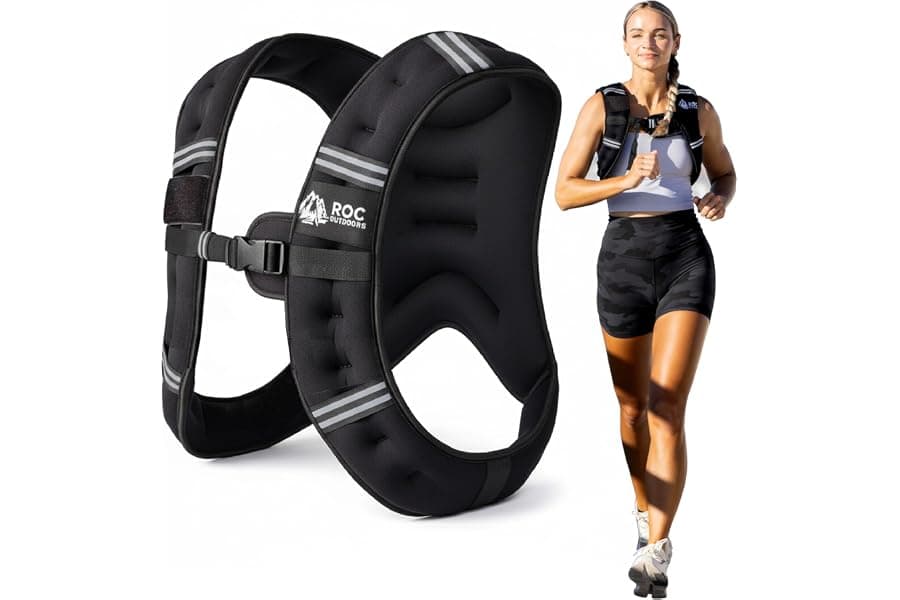
Best budget adjustable pick: 5-30 lbs
A no-frills adjustable vest with a 5-30 lb range, sized for men and women, is an affordable way to start — light enough at the low end for beginners, heavy enough at the top to keep challenging you.
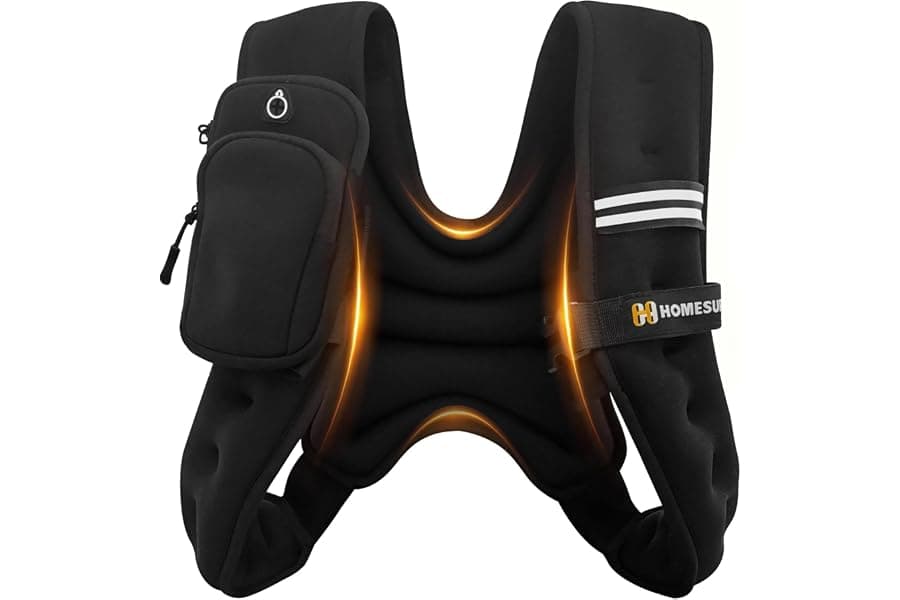
Best all-rounder for strength and running
If you split time between lifting and cardio, a vest designed for both strength training and running saves you from owning two — versatile weight and a fit that holds up across activities.
How to use a weighted vest safely
- Start light and progress slowly. Add weight only when the current load feels easy with good form.
- Fit it snug. A loose vest bounces, chafes, and strains your shoulders. Tighten the side straps.
- Protect your form. If the weight makes your posture or technique break down, take some off.
- Begin with walking. It's the lowest-risk way to adapt before adding a vest to runs or lifts.
- Rest. Weighted training adds load to joints and connective tissue — give your body recovery days.
Find more training gear in our fitness category and fitness buying guides.
Frequently Asked Questions
Want more buying guides?
Get our latest product picks and guides delivered to your inbox.
You Might Also Like
Related Reads
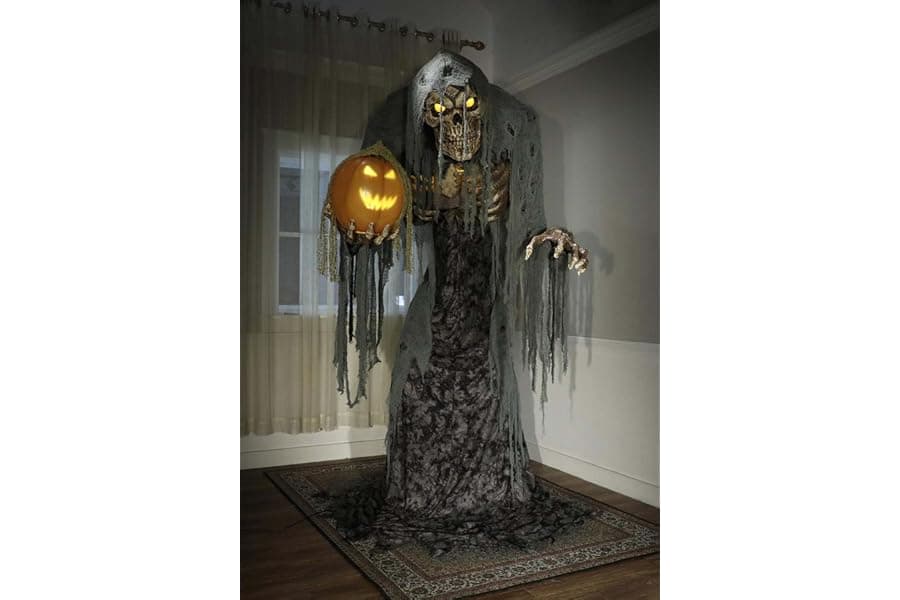
Best Animated Halloween Decorations & Animatronics (2026)
The best animated Halloween decorations for 2026, from cheap motion-activated props to $300+ animatronics, plus how to pick triggers, power and weatherproofing.
Oct 1, 2026 · 8 min read

Best Dog Halloween Costumes (2026): Funny, Easy & Safe Picks
The best dog Halloween costumes for 2026: funny, spooky, small and large dog picks, plus a sizing chart and safety tips for a stress-free Halloween night.
Oct 1, 2026 · 9 min read
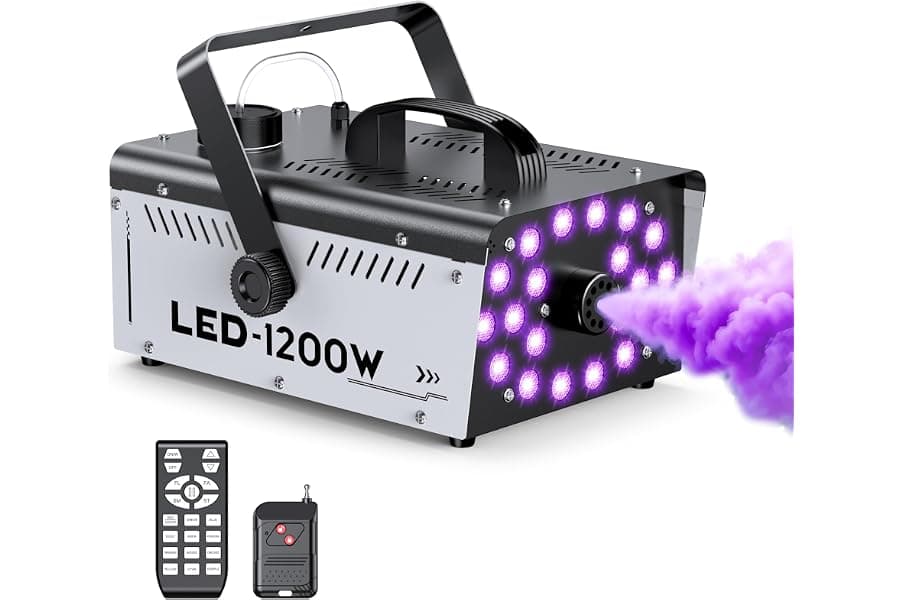
Best Fog Machine for Halloween (2026): Picks, Fog Juice & Tips
How to pick a fog machine for Halloween: wattage vs CFM, heat-up time, timers, fog juice that won't wreck your machine, fog vs haze, and our picks by yard size.
Oct 1, 2026 · 9 min read