Nugget Ice Maker Not Making Ice? Causes & Fixes
If your nugget ice maker not making ice has you stumped, here are the seven most common causes and how to fix each one yourself.
By PeekBuys Editorial · July 12, 2026 · 5 min read
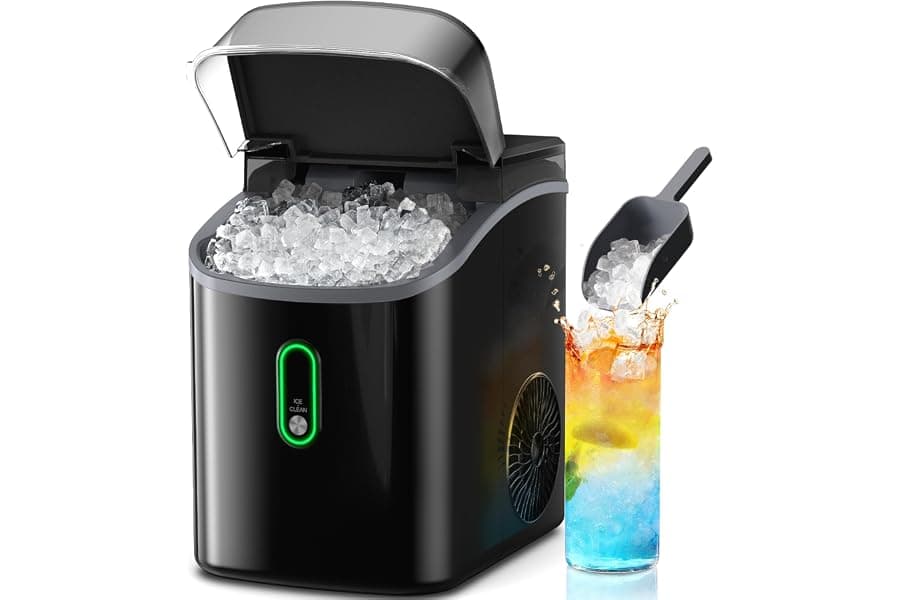
A nugget ice maker not making ice feels like a bigger problem than it usually is. Most "no ice" complaints trace back to one of three boring causes — scale buildup, a water supply issue, or blocked airflow. Actual mechanical failure is much rarer. Work through the checks below in order, and you'll likely have ice again within the hour.
1. Descale it first
If your machine has been making less ice over days or weeks rather than stopping all at once, scale is almost certainly the culprit. Mineral deposits coat the auger, evaporator, and water lines until the machine can't cycle water through fast enough to freeze anything. This is by far the most common reason nugget ice makers slow down or quit.
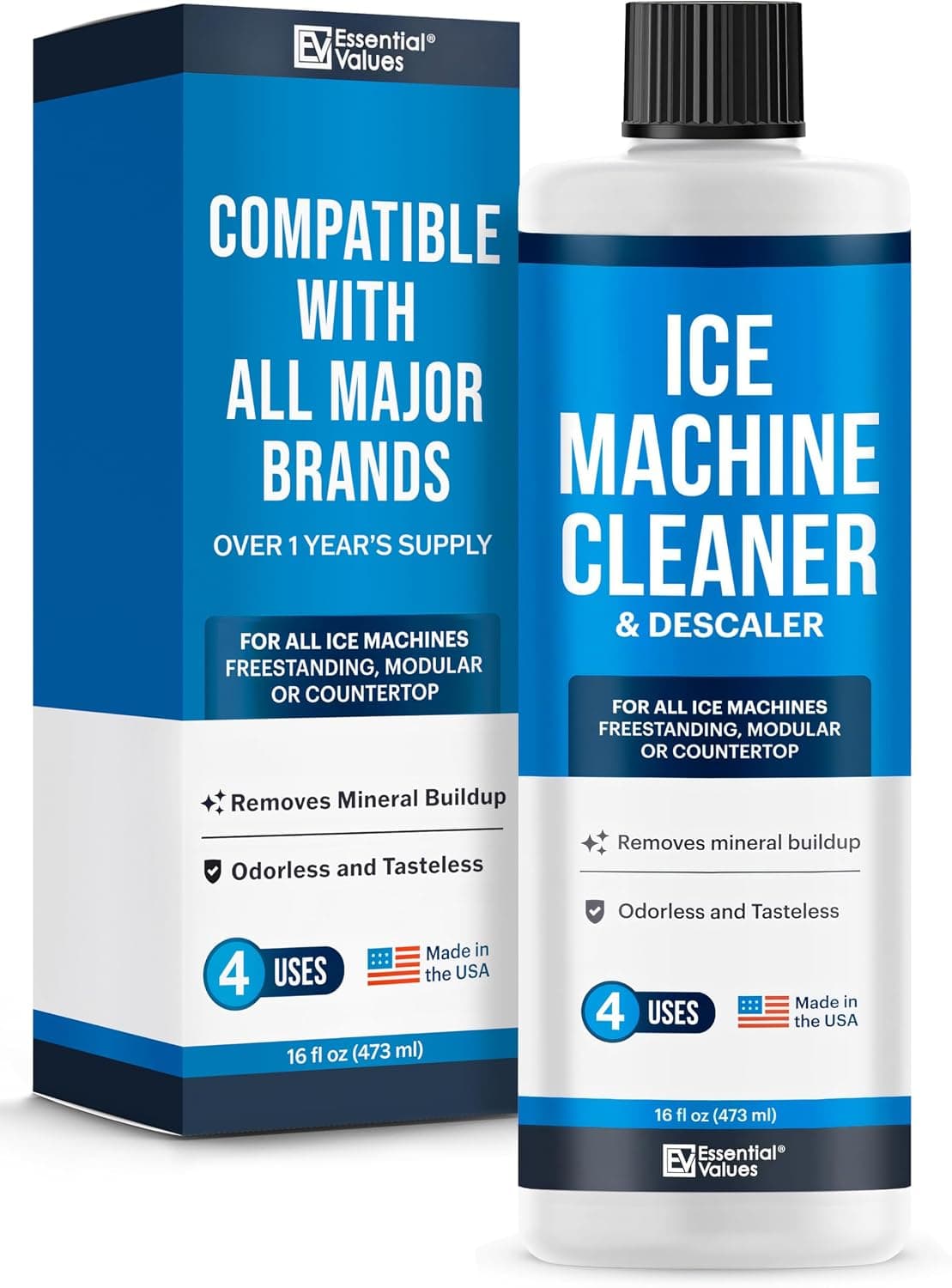
Run a full descale before you try anything else. We cover the complete process in our deep-clean and descale guide — follow it exactly, and use a cleaner made for ice machines rather than a general kitchen descaler.
If a descale restores normal production, you've found your answer. If not, move on to the checks below.
2. Check the water level and reservoir
No water in, no ice out. Confirm the reservoir is filled to the line and nothing blocks the inlet.
- Refill line stuck or kinked. Some models pull from an internal line rather than an open reservoir — make sure it isn't pinched behind the unit.
- Air-locked pump. If the pump ran dry, trapped air can stop it from priming even after refilling. Unplug the unit, fill the reservoir fully, and let it sit a few minutes before restarting.
- Priming after refill. Many machines need a minute or two of running before ice drops, especially right after a refill — give it a full cycle before judging failure.
If the pump audibly runs but water never reaches the chamber, that points toward a deeper pump problem — see section 7.
3. Ambient temperature and ventilation
Nugget ice makers are sensitive to their environment. Most are rated for roughly 45°F to 90°F ambient, and performance drops near either edge.
- Room too hot. A unit next to an oven, in direct sun, or in a hot garage may slow or stop once the compressor can't keep up.
- Blocked vents. These machines exhaust heat through side or rear vents. Pushing the unit flush against a wall traps heat and can trigger a thermal shutoff.
- Clearance. Leave a few inches of open space on the sides and back — more in a warm room. A recent move to a tighter spot is a likely culprit.
Let the unit sit unplugged and cool for 30 minutes in a better-ventilated spot, then retry.
4. Clogged water line or filter
If your model connects to a water line rather than a manual reservoir, a restricted supply can starve it without you noticing.
- Kinked or pinched line — check its full length, especially where it exits the wall.
- Clogged inlet valve — sediment or scale can restrict the inlet screen even when the line itself is clear.
- Filter past its life — a clogged replaceable filter slows flow to a trickle. Replace roughly every 6 months, sooner with hard water.
5. Ice-full sensor or bin
Sometimes the machine isn't broken — it thinks the bin is already full.
- False "bin full" signal — a stray piece of ice, condensation, or a slightly misaligned bin can trip the sensor early.
- Sensor needs wiping — a film on an infrared sensor eye can confuse it; wipe it dry with a cloth.
- Ice bridging — clumped nugget ice can block the chute and trigger a false full reading. Break up clumps by hand and clear the chute.
Reposition the bin fully, clear any obstruction, and restart the cycle.
6. Reset the machine
Like most appliances with a control board, nugget ice makers occasionally just need a reset.
- Unplug for 5 to 30 minutes to clear the control board's fault memory.
- Power-cycle at the outlet, not just a power button — pulling the plug fully resets the board.
- Check for a dedicated reset button, common on several popular brands near the control panel.
A reset resolves more "stuck" machines than people expect, especially after a power flicker.
7. When it's actually the pump or compressor
If you've descaled, confirmed water supply, checked ventilation, and reset the unit and it's still not producing ice, you may be looking at a genuine hardware failure.
Signs pointing to the pump or compressor rather than routine maintenance:
- The pump runs audibly but water never reaches the ice chamber, even after clearing air locks.
- The compressor cycles rapidly or runs constantly without ever getting cold.
- A new loud humming or clicking with no ice production at all.
- The unit is several years old with recurring "no ice" issues despite regular cleaning.
Compressor and pump repairs are rarely cost-effective on consumer machines, especially once out of warranty. Replacing the unit is typically the more practical fix.
Frequently Asked Questions
Want more how-tos?
Get our latest product picks and guides delivered to your inbox.
Related Reads
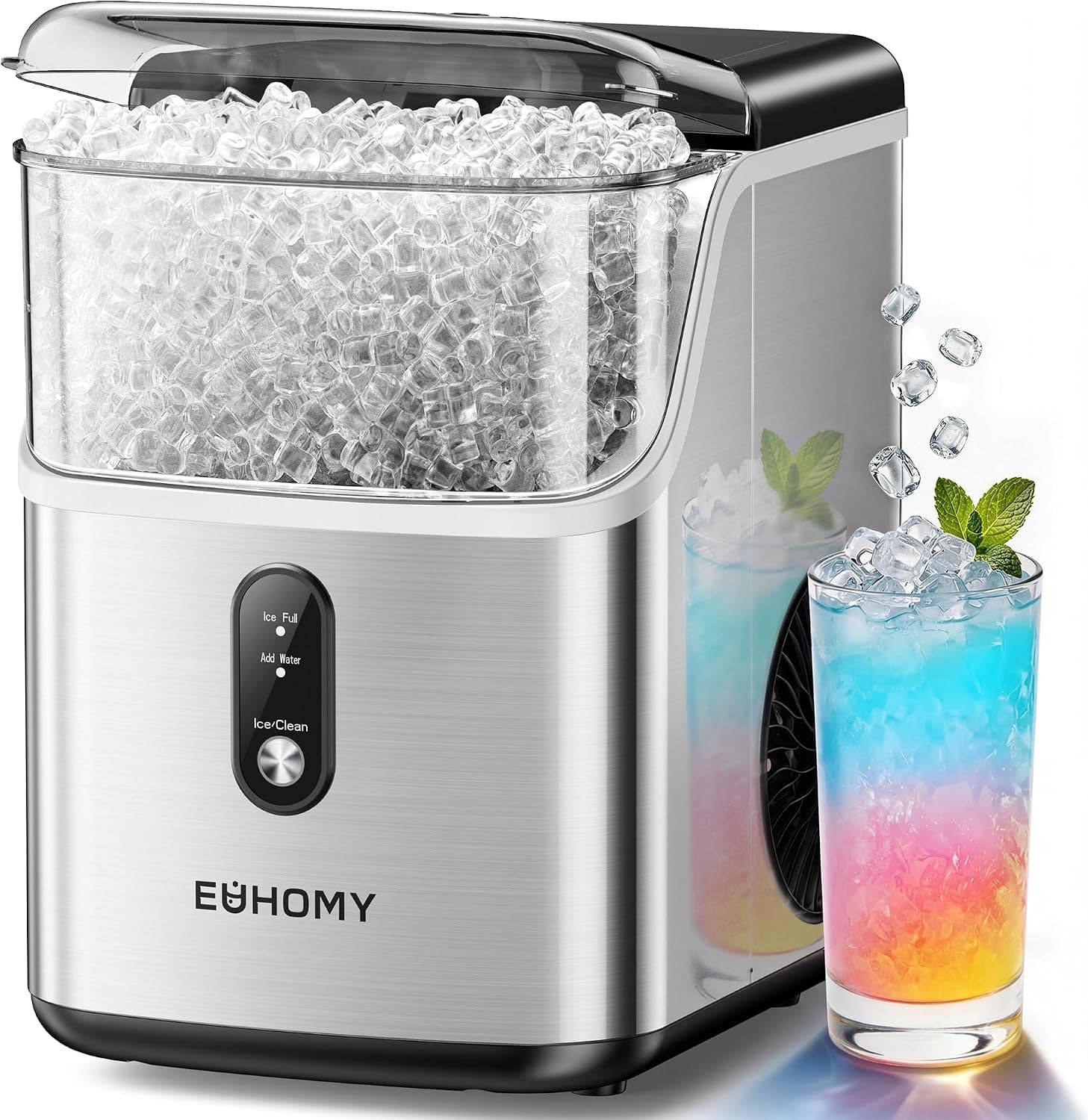
How to Clean a Euhomy Nugget Ice Maker
Euhomy nugget ice makers skip the one-touch clean cycle, so here's exactly how to hand-clean and descale one the right way.
Jul 12, 2026 · 4 min read
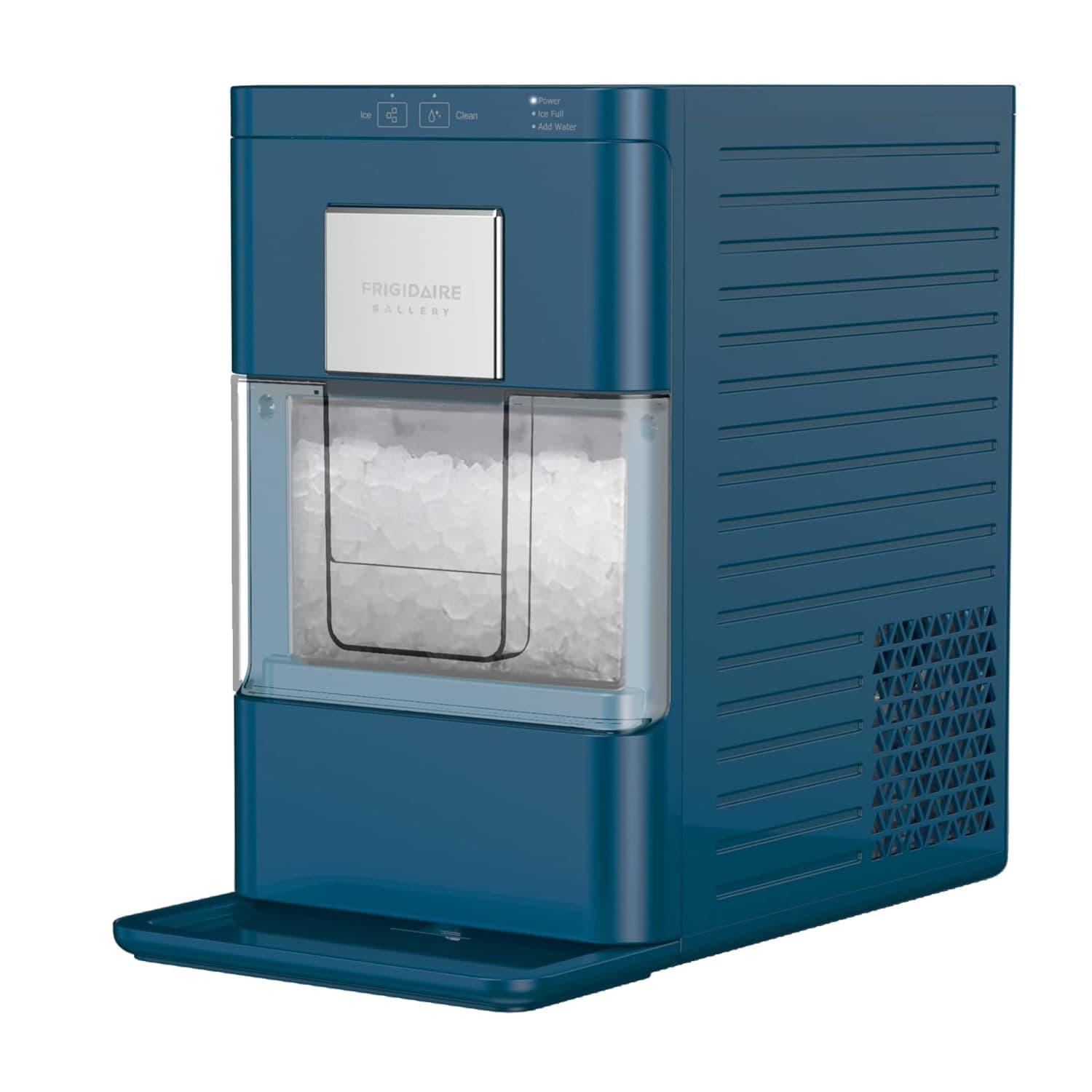
How to Clean a Frigidaire Nugget Ice Maker
Here's how to clean a Frigidaire nugget ice maker, from the EFIC series' clean button to the bottom drain plug, so your chewable ice keeps coming fast and fresh.
Jul 12, 2026 · 4 min read
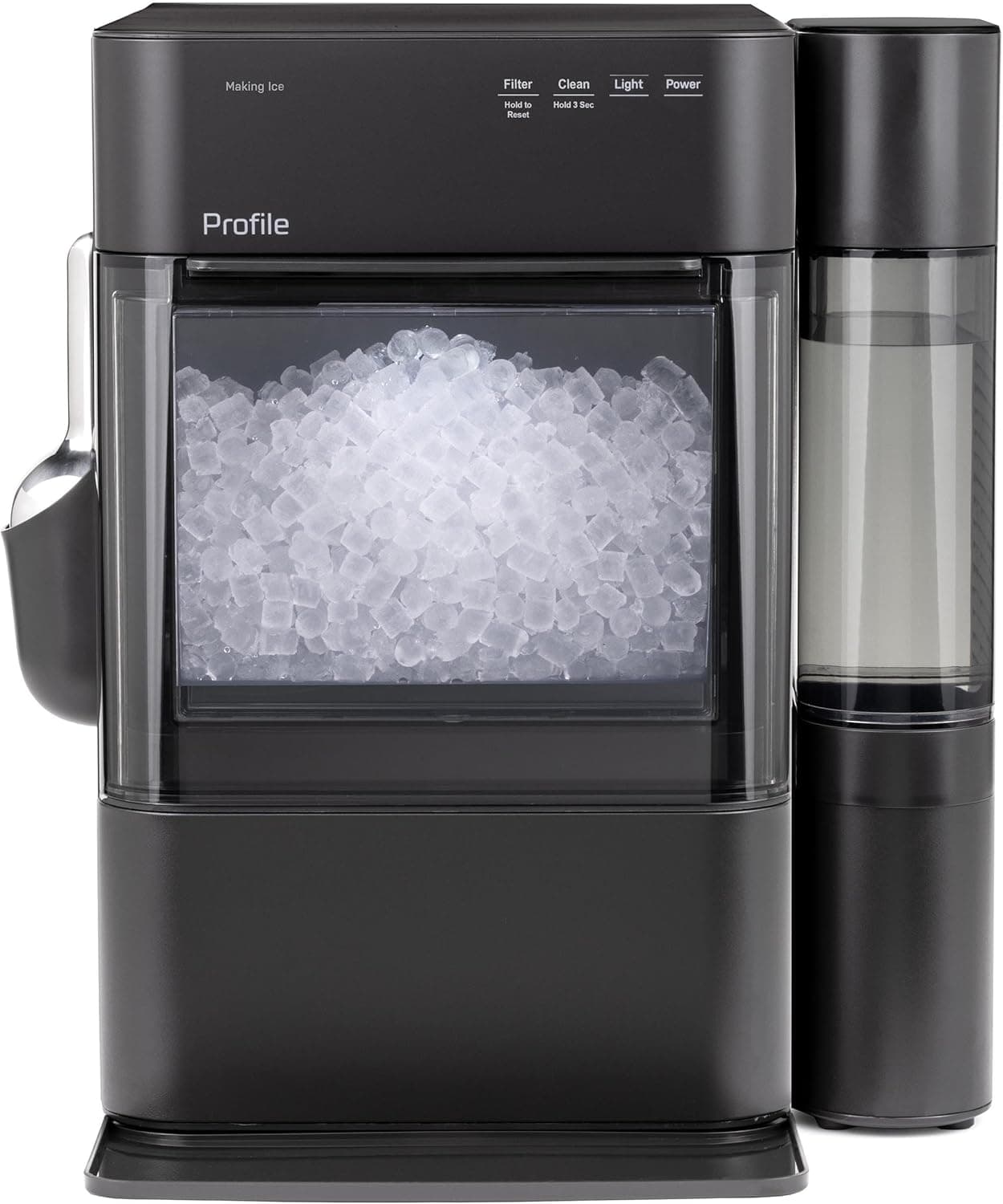
How to Clean a GE Profile Opal Nugget Ice Maker
Learn how to clean a GE Profile Opal nugget ice maker using its built-in Clean cycle, side tank, and light ring for a proper descale.
Jul 12, 2026 · 4 min read