Pink Slime & Mold in a Nugget Ice Maker: Remove & Prevent It
Pink slime and mold in a nugget ice maker are common but fixable — here's how to remove them safely and keep them from coming back.
By PeekBuys Editorial · July 12, 2026 · 5 min read
Open your nugget ice maker's reservoir and find a pink or orange film clinging to the sides, or dark specks in the bin, and it's easy to panic. Don't. That pink slime is almost always Serratia marcescens, a common airborne bacteria that loves warm, damp surfaces — sinks, shower grout, and toothbrush holders attract it too. Black or greenish fuzz is more likely mold, which takes hold the same way: standing water, poor airflow, and mineral film give it something to grow on. Both are common in nugget ice makers specifically, since the auger and reservoir stay damp between cycles far more than a traditional freezer-based ice maker. Neither means your machine is broken, and both are fixable with a proper clean.
Is pink slime in an ice maker dangerous?
For most healthy people, brief exposure to Serratia marcescens isn't a serious health threat — it's the same bacteria that shows up in bathroom grout, and it's not typically the kind that causes food poisoning on contact. Still, you shouldn't keep using or eating ice from a machine with visible slime or mold. Stop making ice, empty the bin, and clean the machine before using it again. If anyone in your household is immunocompromised, pregnant, very young, or elderly, be extra cautious — avoid the ice entirely until the machine has been fully sanitized. Mold is a similar story: unpleasant and worth addressing promptly, but not typically cause for alarm if you catch it early and clean thoroughly.
How to remove mold and slime from a nugget ice maker
Unlike a routine descale, cleaning up slime and mold is about sanitizing, not just dissolving mineral scale. Here's the process:
- Empty and unplug the machine. Dump out all the ice — don't be tempted to save it — drain the reservoir, and unplug the unit.
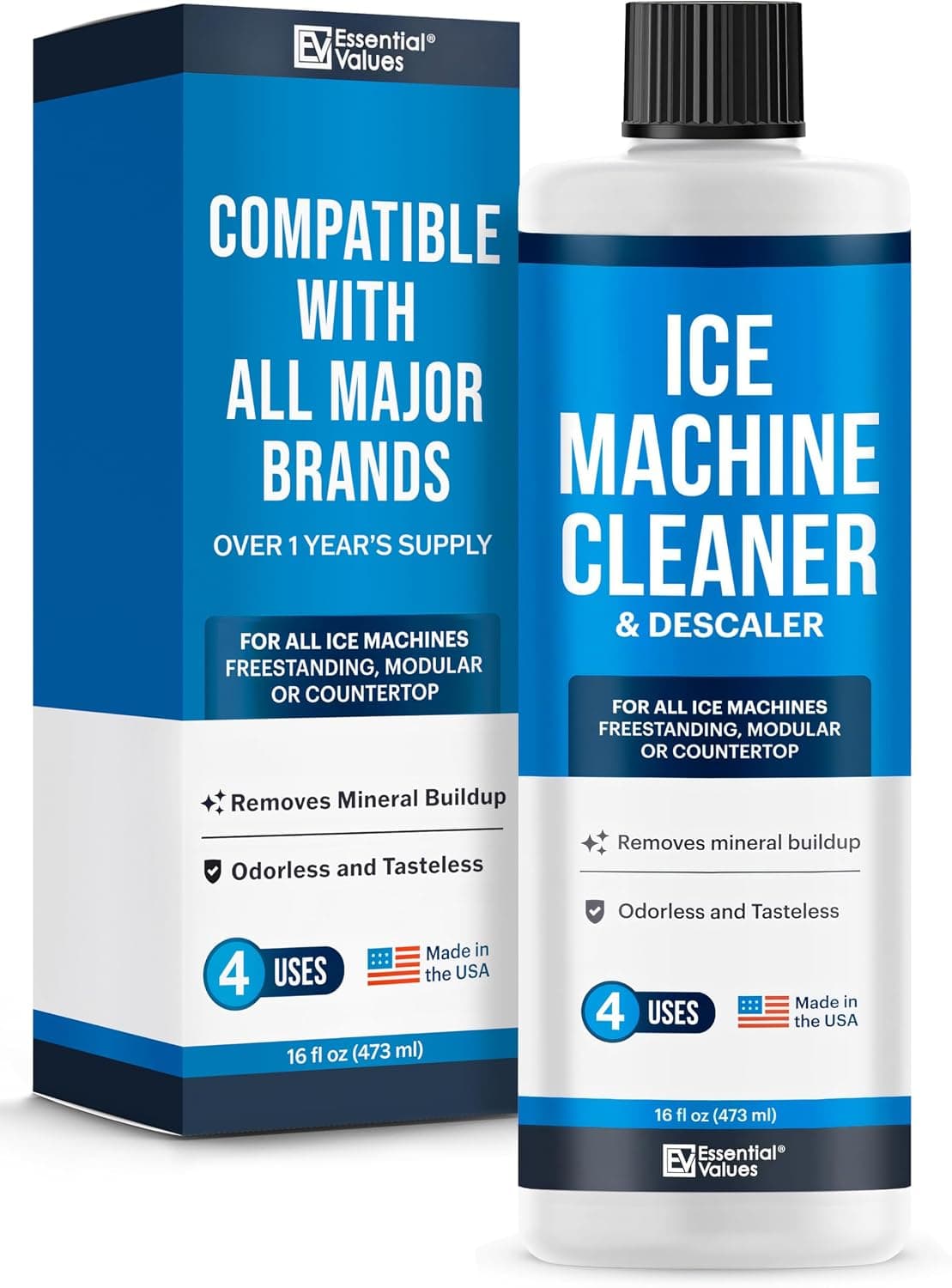
- Mix a cleaning and sanitizing solution. Use a cleaner made specifically for ice machines, which is formulated to both break down buildup and kill bacteria and mold spores without leaving harmful residue behind.
- Scrub every reachable surface. This is the step people skip, and it's the one that actually removes slime. Use a soft brush or bottle brush on the reservoir walls, the lid, the ice scoop, any visible tubing, and rubber seals or gaskets — slime loves to hide in seams and corners that a rinse alone won't touch.
- Run the machine's sanitize or clean cycle. Let the solution circulate through the internal lines, not just the reservoir, since slime can travel further into the system than you can reach with a brush.
- Run several rinse cycles with fresh water. Two or three cycles is usually the minimum — you want to be confident all the cleaning solution is flushed out, not just diluted.
- Discard the first one or two batches of ice. Even after rinsing, the first ice made post-cleaning can carry trace cleaner or loosened residue. Toss it and let the next batch be the first one you actually use.
One safety note: skip the bleach. A diluted, food-safe sanitizer or a dedicated ice machine cleaner is safer than bleach in water lines — bleach is harder to rinse out completely and can degrade seals over time, giving future slime more texture to grip. If your machine also has heavy mineral scale, pair this sanitizing pass with our full deep-clean guide, which covers descaling in more detail.
How to stop slime and mold coming back
Once the machine is clean, a few habits make it far less likely slime returns:
- Dry the unit when it's not in use. After emptying the reservoir, leave the lid open so air can circulate and surfaces can actually dry — a damp, closed environment is exactly what slime and mold need to restart.
- Do a quick wipe-down weekly. A damp cloth over the reservoir and lid, even outside a full clean, keeps films from building up in the first place.
- Use filtered or distilled water. Tap water carries more airborne bacteria and minerals than filtered water, both of which feed slime growth.
- Never let water sit for days. If you won't use the machine for more than a day or two, empty the reservoir rather than leaving standing water behind.
- Keep the lid open when possible. Airflow is one of the simplest deterrents to mold — a sealed, humid reservoir is an incubator.
- Stick to a cleaning schedule. Pairing a weekly wipe-down with a deep clean every one to two weeks keeps buildup — and the slime that feeds on it — from ever getting a real foothold.
Frequently Asked Questions
Want more how-tos?
Get our latest product picks and guides delivered to your inbox.
You Might Also Like
Related Reads
How to Clean a Euhomy Nugget Ice Maker
Euhomy nugget ice makers skip the one-touch clean cycle, so here's exactly how to hand-clean and descale one the right way.
Jul 12, 2026 · 4 min read
How to Clean a Frigidaire Nugget Ice Maker
Here's how to clean a Frigidaire nugget ice maker, from the EFIC series' clean button to the bottom drain plug, so your chewable ice keeps coming fast and fresh.
Jul 12, 2026 · 4 min read
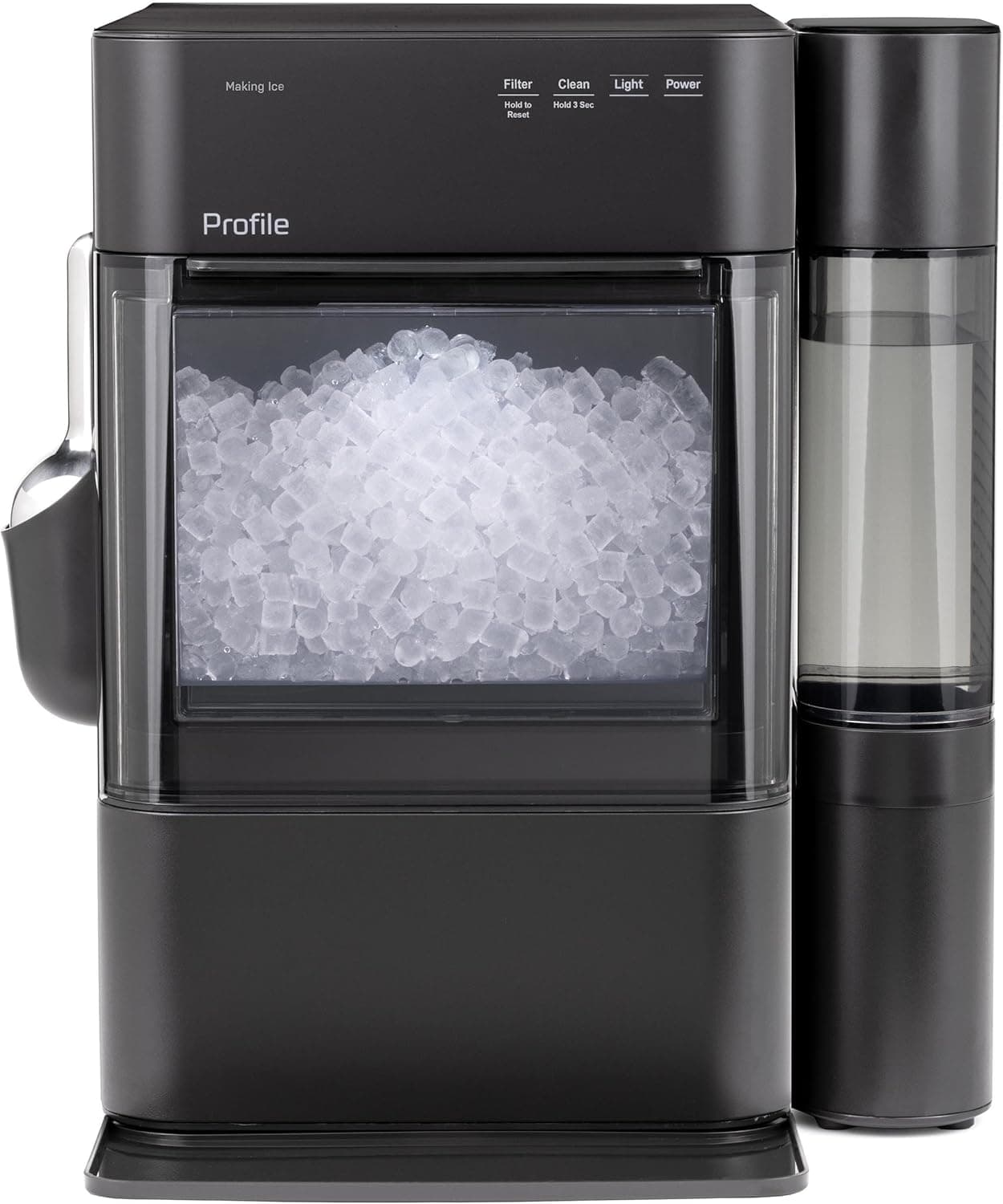
How to Clean a GE Profile Opal Nugget Ice Maker
Learn how to clean a GE Profile Opal nugget ice maker using its built-in Clean cycle, side tank, and light ring for a proper descale.
Jul 12, 2026 · 4 min read